CART UPDATED
Empty cart. Add items on the products page.

30 Oct 2023
From significant to peculiar, we’re exploring the history, contribution and, most
importantly, flavour of botanicals. In this edition, we’re kicking off with the most famous
botanical of them all – juniper.
Often referenced but rarely examined, botanicals are plant-derived ingredients used to naturally flavour spirits like gin. They could be herbs, berries, spices, bark, roots, flowers or even seaweed – anything, really.
When it comes to gin, there’s no botanical as important as juniper. Gin would be nothing without it. Here’s everything you need to know about the little blue berry (that’s not actually a berry at all).
You can’t have gin without juniper
In places like Europe and the US, you can’t legally call it gin unless it features juniper. It’s a backbone flavour, with every traditional gin featuring juniper as a base before other botanicals are added to create individual styles.
Gin gets its name from juniper
Gin was created in the Netherlands during the Middle Ages, when it was called jenever – the Dutch word for juniper. As the drink spread to Britain, the name got anglicised to ‘gin’.
Juniper comes from the juniper communis
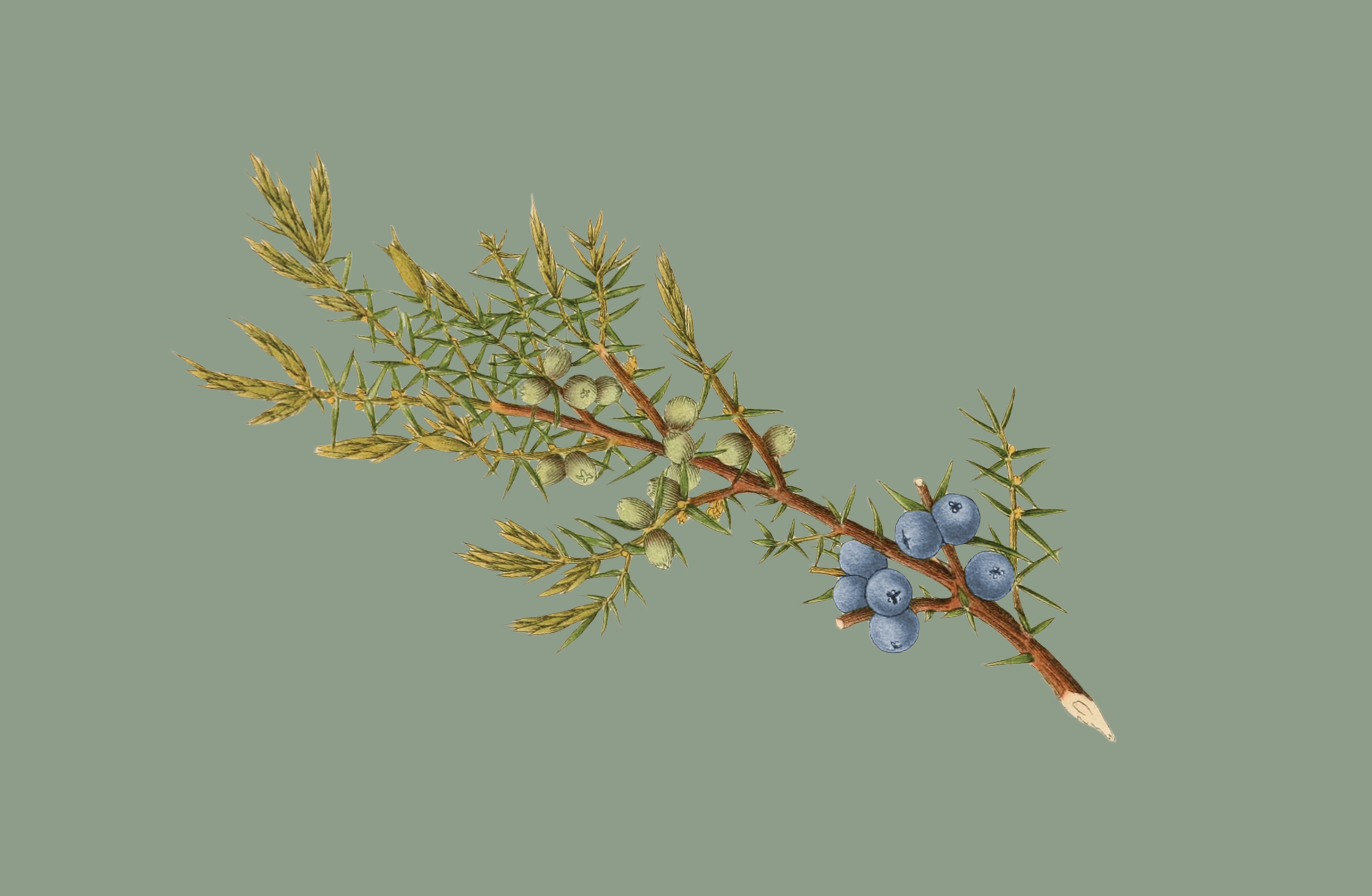
Juniper berries come from the juniper communis plant, a small tree found worldwide. It’s an evergreen plant with spiky pine-like leaves, which is why juniper’s flavour is often described as sharp and piney with a hint of citrus.
Juniper berries aren’t berries at all
They’re actually round, extra fleshy seed cones, which makes them appear like berries. They start green and become their famous blueish colour as they ripen.
It’s been revered for a long time
Ancient Greeks used juniper as a pick-me-up during Olympic events, believing that it increased stamina.
In ancient Rome, they traded it as a substitute for black pepper, which was extremely expensive at the time.
Juniper helped fight the plague
Plague doctors would wear long, beaked masks filled with juniper and other botanicals to hide the smell of the sick. They believed juniper stopped the spread of the plague, which is somewhat true as juniper naturally repelled fleas – carriers of the plague.
Sharp, warm, piney, herbaceous
That’s the easiest way to describe the flavour that juniper adds to gin. London dry is the most juniper-forward style of gin – as it’s not sweetened. While all our gins are made with juniper, some feature it more prominently.
Our most juniper-forward gins
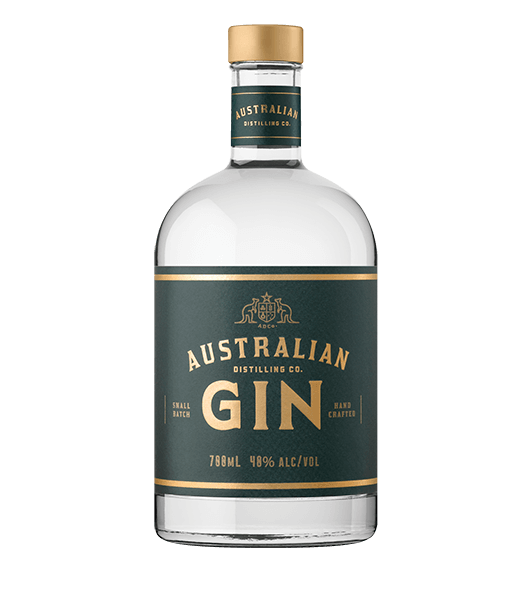
Our flagship Australian Distilling Co. Gin is a very juniper-forward, dry-style gin that lets the botanical take centre stage. While the flavour is versatile, one of our favourite ways to highlight juniper-forward gin is mixing up a classic gin and tonic.
Our gins with less juniper flavour
In some of our gins, juniper takes a backseat to other botanicals. Our more tropical-inspired spirits, such as Brisbane Gin, Gold Coast Gin and Darwin Gin, dial up zesty citrus and fruit flavours rather than juniper.